


Renewal decisions happen with fragmented context. You know the vendor, the contract category, and the rough spend figure. What you often lack is a consolidated view of what actually happened across invoices, payments, credits, approvals, and exceptions during the contract period. That gap is where useful context for the conversation tends to get lost, and where small discrepancies can add up without anyone noticing.
A vendor renewal is not just a pricing conversation. It is a moment that rewards preparation, specifically the kind of preparation that comes from reviewing the financial record your AP process already captured. The invoices are there. The payment history is there. The patterns are there. The question is whether anyone looked at them before the renewal conversation started.
Why Renewal Prep Usually Falls Short
The typical renewal process goes something like this: procurement gets a notification that a contract is approaching its end date. Someone pulls the current rate card. Finance confirms the budget line. And the conversation happens with the same information the vendor already has.
What is missing from that process is the operational history. How the relationship actually performed over the last twelve months, measured not by satisfaction surveys but by invoice data. That operational history holds context, risk signals, and questions worth asking before you sign again.
The Finance Data Worth Reviewing
Before renewing any vendor with significant annual spend, finance leaders should review these data points from their AP and invoice records:
Spend Trend and Trajectory
How has total spend with this vendor changed over the contract period? Is it growing faster than you authorized? Are there new line items appearing that were not part of the original agreement? A vendor whose invoices grew 30% year-over-year while the contract rate stayed flat may be expanding scope without formal approval.
Invoice Variance and Pricing Consistency
Are invoiced amounts consistent with contracted rates? Line-item comparison between contract terms and actual invoices can surface issues worth reviewing, such as rate changes, missed volume thresholds, discount tiers that should have triggered, or line items that deserve a closer look. These are not necessarily adversarial findings. They often reflect the kind of drift that can accumulate when contracts are complex and billing is automated.
Credits, Refunds, and Overcharges
Were there credits issued during the period? If so, what triggered them? Frequent credit memos may indicate a pattern of overbilling that keeps recurring. Before renewal, you want to know whether the problems that generated credits have actually been resolved, or whether you are signing up for another year of the same corrections.
Payment Timing and Terms Compliance
Are you paying this vendor on the terms you agreed to? Organizations frequently pay faster than required without capturing an early-payment discount, or slower than required and generating late fees. Both represent money left on the table. Before renewal, understanding your actual payment behavior relative to terms gives you data for a different kind of conversation: one about payment terms that actually match your cash flow strategy.
Approval Delays and Processing Friction
How smoothly do this vendor’s invoices move through your approval workflow? If invoices from a specific vendor consistently get stuck at a particular approval stage, that friction has a cost: late payments, lost discounts, or simply burned time. That information may inform whether you negotiate different invoice formats, PO requirements, or delivery cadences in the renewal.
Contract and PO Alignment
Do invoices match the purchase orders on file? Drift between POs and invoices can develop over time, usually gradually. A line item added here, a service date shifted there. Before renewal is a good time to check whether the relationship may have evolved beyond what the contract actually covers, and to get the next agreement right.
How Signal Intelligence Supports Renewal Prep
Gathering this data manually is exactly the kind of analysis finance teams have historically decided was not worth the cost. Each data point requires pulling records, cross-referencing documents, and building comparisons that no standard report was designed to produce.
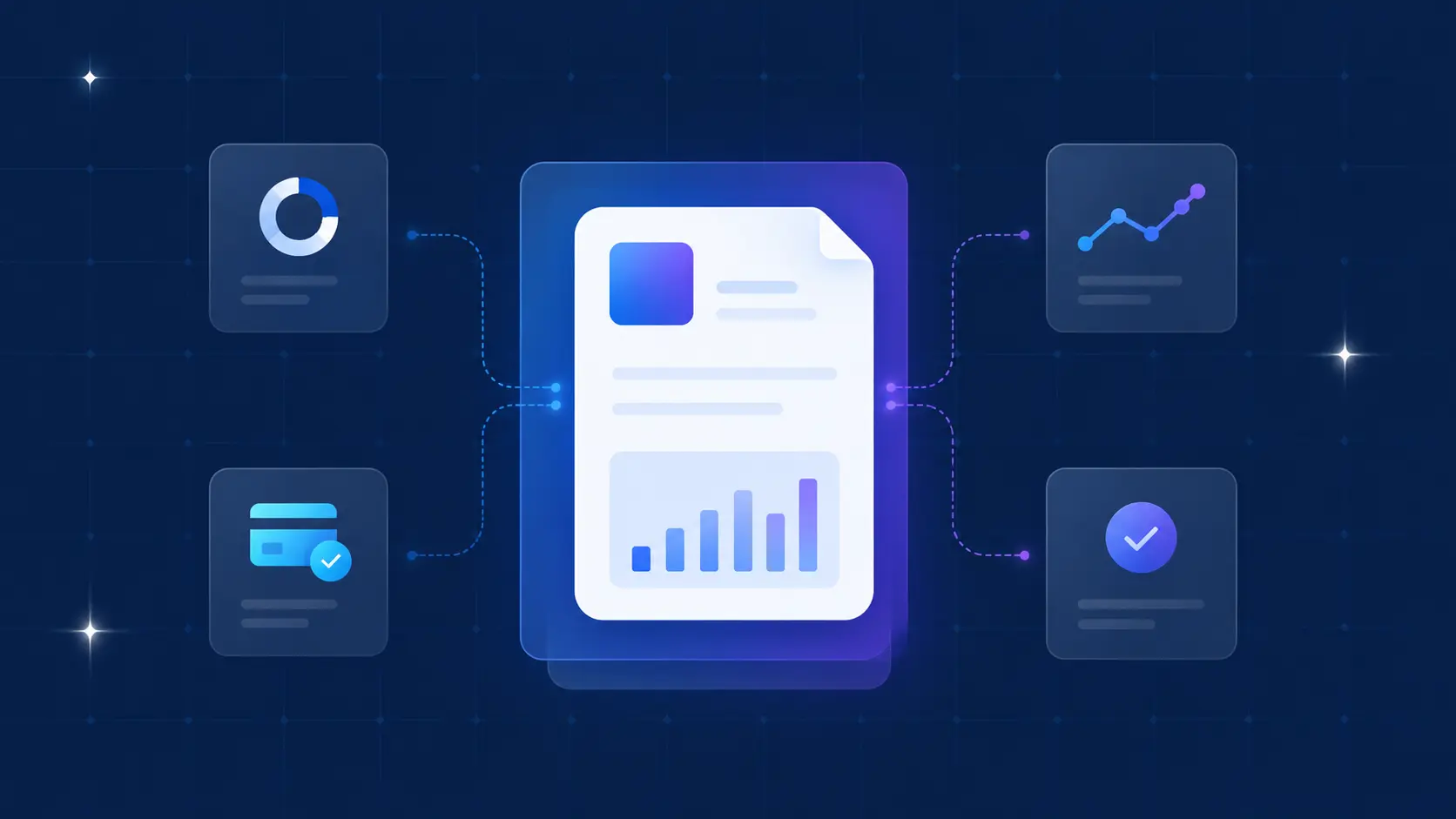
Stampli Deep Finance™ can organize this review as signal intelligence: surfacing the patterns, variances, and anomalies worth reviewing across your invoice, payment, and vendor-document context for a specific vendor or vendor category. The output is not a renewal decision, and it is not final negotiation evidence. It is reviewable preparation that finance still validates before bringing it into a renewal conversation.
For example, a finance leader preparing for a major SaaS renewal could ask Deep Finance to review spend trajectory, compare billed rates against contracted rates, identify credits or billing exceptions, and show payment timing relative to terms. The analysis reads across invoice line items, contract documents, and payment records to surface findings worth reviewing, with the financial impact quantified where the data supports it. Finance confirms those findings before they inform the conversation, which is what moves a renewal discussion from “we would like a discount” to “here is what we are seeing in the data.”
The Conversation That Should Happen Before You Sign
Renewal prep is not about catching vendors doing something wrong. It is about entering the conversation with complete context rather than partial memory. Every data point listed above already exists in your AP records. The question is whether it surfaces before the signing deadline or stays buried until the next renewal cycle.
The organizations that negotiate more effectively with vendors are typically the ones that can point to specific patterns they have reviewed: this is what we spent, this is where the data suggests it diverged from the agreement, this is what we want the next period to look like. That specificity comes from reviewing the data you already captured, not from hiring someone to build a new analysis from scratch.
See what your AP data reveals about vendor relationships before your next renewal.