


Stampli Deep Finance™

Ask the finance questions that matter

Deep Finance surfaces spend intelligence that enables smarter business decisions.

How Deep Finance builds each analysis

Starts with the finance question

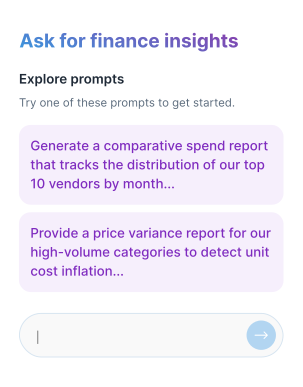
Deep Finance builds a new analytical path for the question instead of forcing it into a predefined report.

Connects the operational context

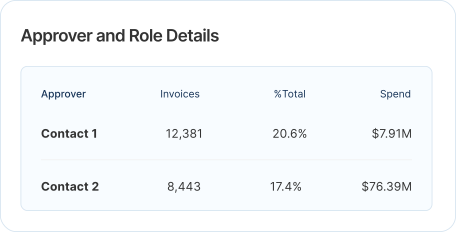
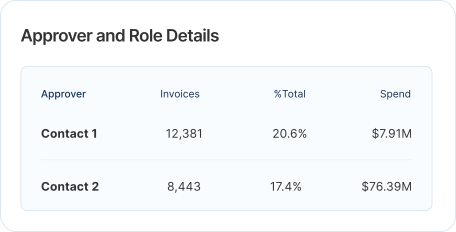
It brings together relevant invoice lines, coding, approvals, vendor records, payments, workflow history, and supporting documents already inside Stampli.

Investigates what the work may be revealing

Deep Finance surfaces patterns, anomalies, risks, opportunities, and priorities worth reviewing.

Keeps the evidence connected

Findings stay tied to supporting evidence so finance can examine the basis of the analysis.

Leaves the decision with finance teams

Your team validates what matters, brings in the right stakeholders, and decides what to do next.

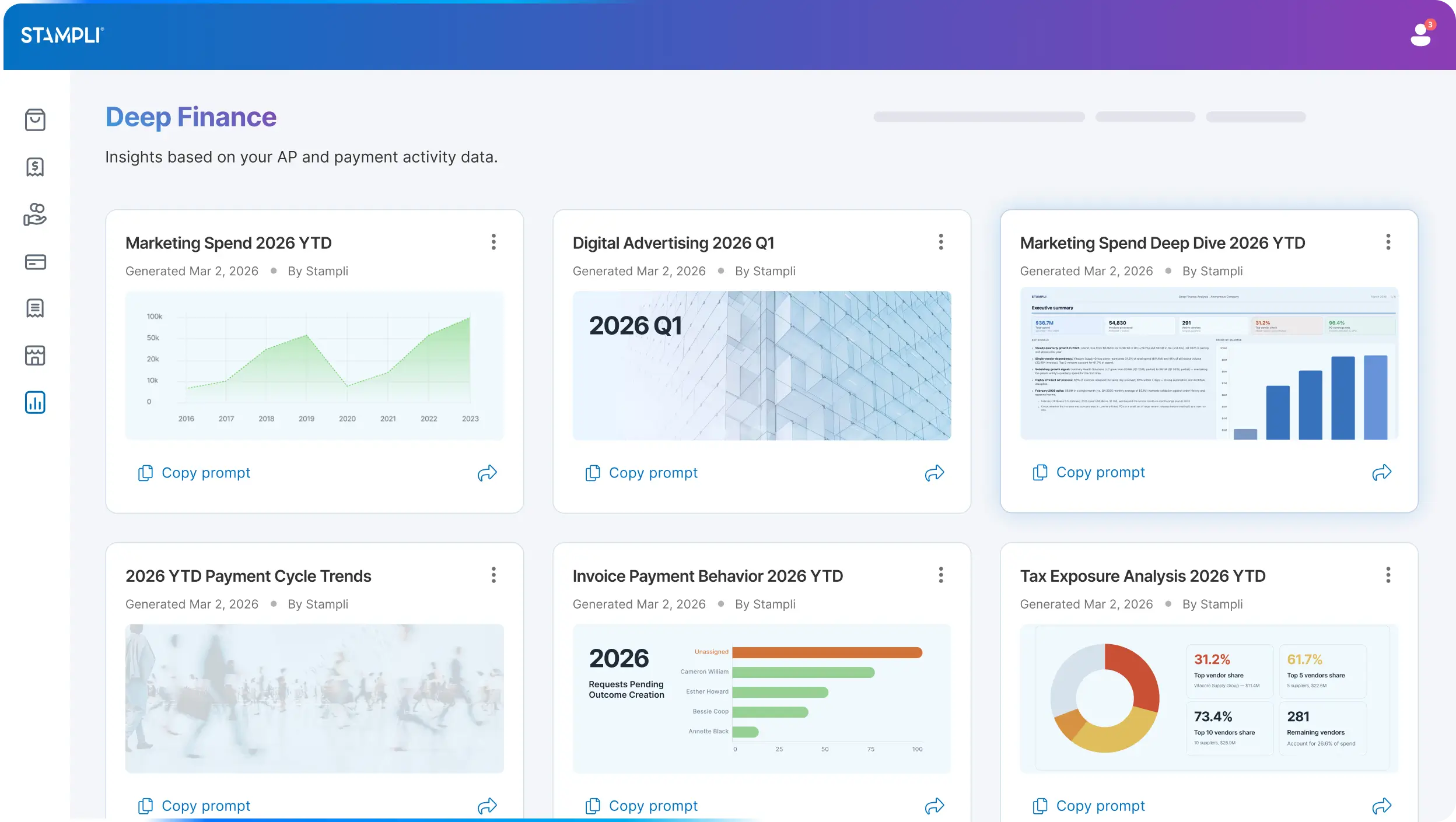
Watch Deep Finance investigate a question

See how it connects relevant context and 
organizes the findings for review.

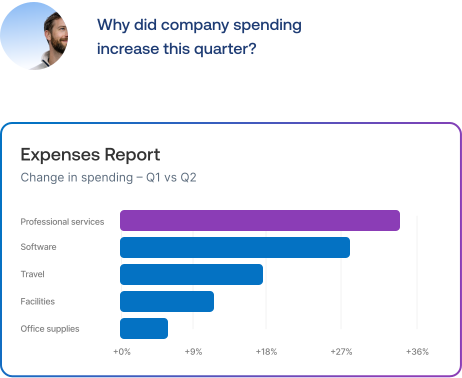
Investigate what the numbers 
alone can’t explain

Investigate questions your reporting backlog cannot prioritize

Build a focused analysis for the question at hand without creating another dashboard or spreadsheet model.

Understand what changed and why it matters

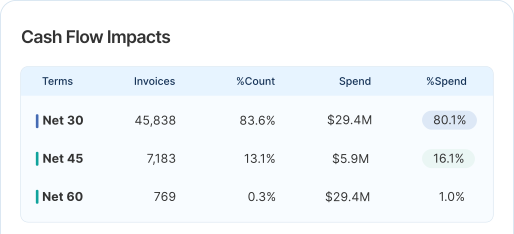
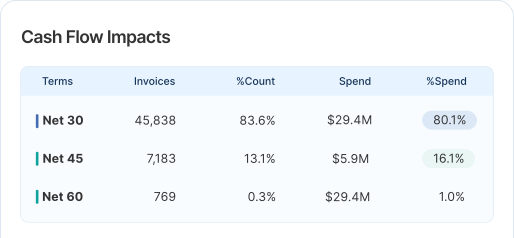
Review patterns across invoices, approvals, vendors, payments, and supporting documents instead of stopping at the total.

Bring evidence into the decision

Give finance and leadership a reviewable set of findings and supporting evidence before the team chooses the next action.

From questions to informed decisions

Before

Manual work at every step

  • The available report determines which questions can be answered.
  • ERP totals arrive without the workflow activity behind them.
  • New questions create data requests, exports, and spreadsheet work.
  • Finance receives charts and still has to reconstruct the story.

After

With Deep Finance

  • The finance question determines the analysis.
  • Relevant invoices, approvals, vendors, payments, and documents provide the operational context.
  • Deep Finance builds a focused analysis for the question at hand.
  • Finance receives findings and supporting evidence to review, validate, and use in follow-up.

FAQs FAQs

Stampli Deep Finance™ turns finance, invoice, and AP workflow data already inside Stampli into executive spend intelligence. It performs the analysis behind a finance question and organizes the result into a focused Deep Finance Analysis built for review, discussion, and follow-up.

Deep Finance starts with the finance question, determines which connected data and documents are relevant, and builds an analytical path for that question. It then organizes the findings and supporting evidence into a reviewable result.

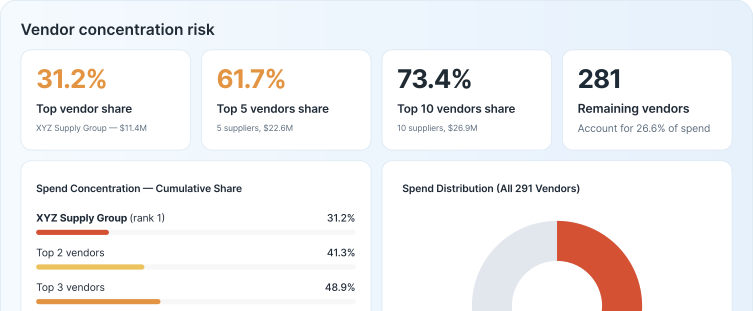
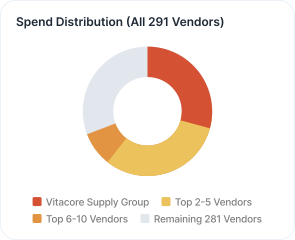
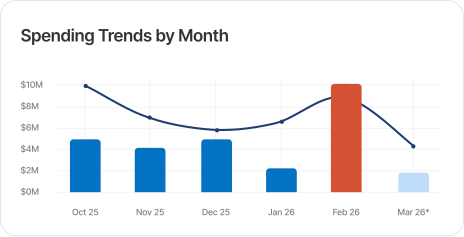
Deep Finance can help finance teams investigate spending trends, vendor concentration or fragmentation, payment timing, potential savings opportunities, duplicate invoices, approval bottlenecks, and process inefficiencies. The strongest questions are specific, financially meaningful, and connected to a decision or follow-up.

Deep Finance can use relevant finance and AP workflow data already inside Stampli, including invoice lines, coding, approvals, vendor records, payments, workflow history, and supporting documents. Available context depends on the Stampli products and data connected for the customer.

Prebuilt reporting begins with a fixed data model and a predefined view. Deep Finance begins with the finance question and builds a focused analysis from the relevant context already inside Stampli.

Finance teams should review material findings against supporting evidence, source transactions, and existing financial records, then involve the appropriate stakeholders before acting. Deep Finance supports judgment; it does not replace it.

The ERP remains the system of record. Deep Finance works within customer-specific data boundaries and existing permissions inside Stampli, and finance retains control over how findings are reviewed and used.