








Superior Masonry cements AP efficiency with Stampli and Sage Intacct Construction
Transforming a manual, time-consuming process into a strategic asset for a growing construction firm
Read more














“We’ve never been able to stay ahead of job costs until now, and Stampli is one of the big drivers behind that because we can process invoices so fast.”
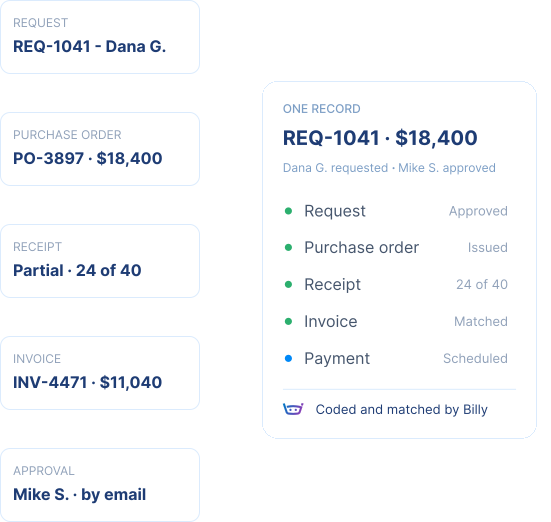
Yes. Job, cost code, phase, and PO line detail travel with the invoice from intake through approval and posting, so AP does not rebuild the project context after the invoice arrives.
Matching works at the line level against the PO and receipt. Partial quantities, change orders, freight, and retention show up as specific exceptions rather than a full manual rebuild.
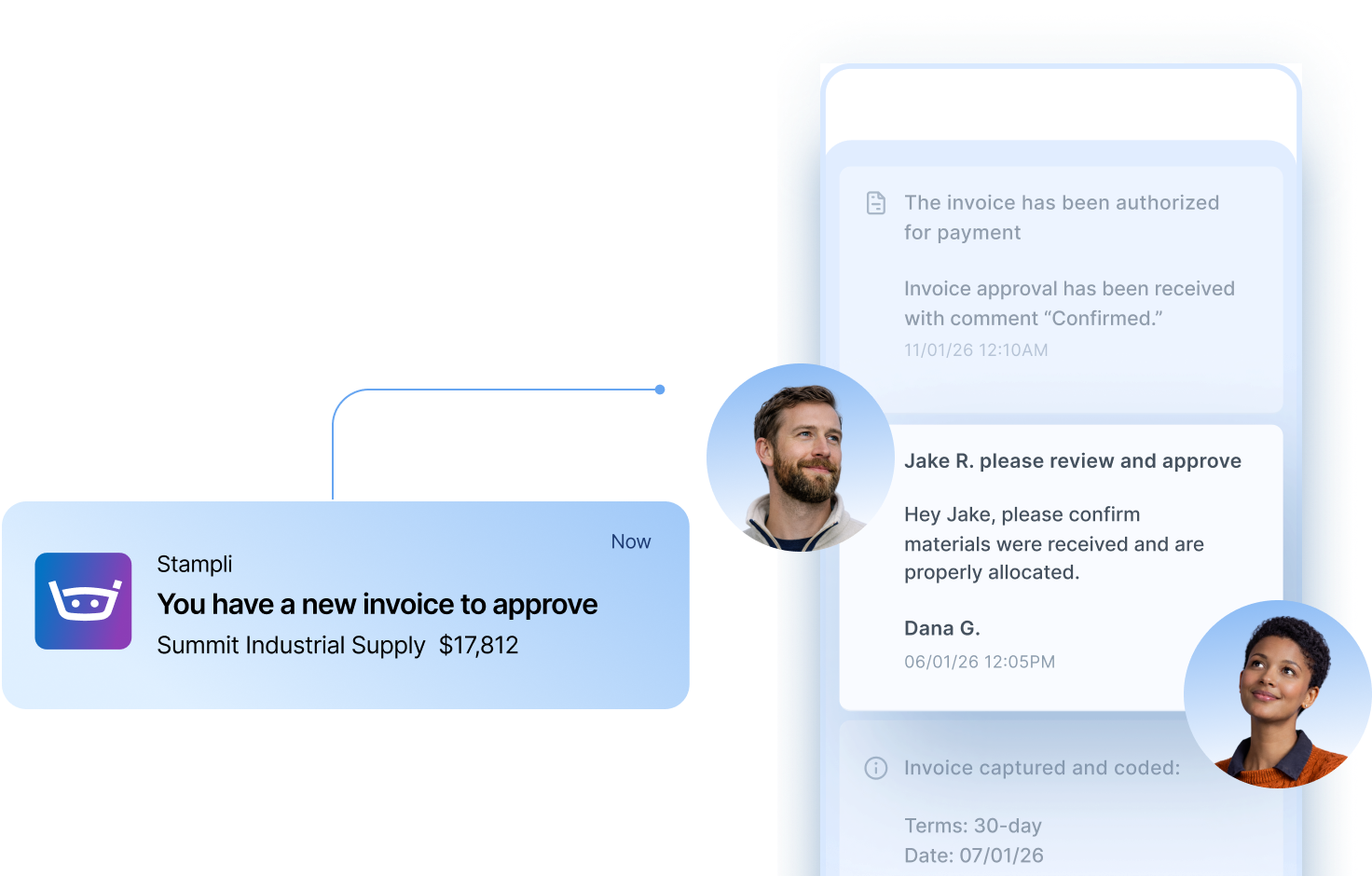
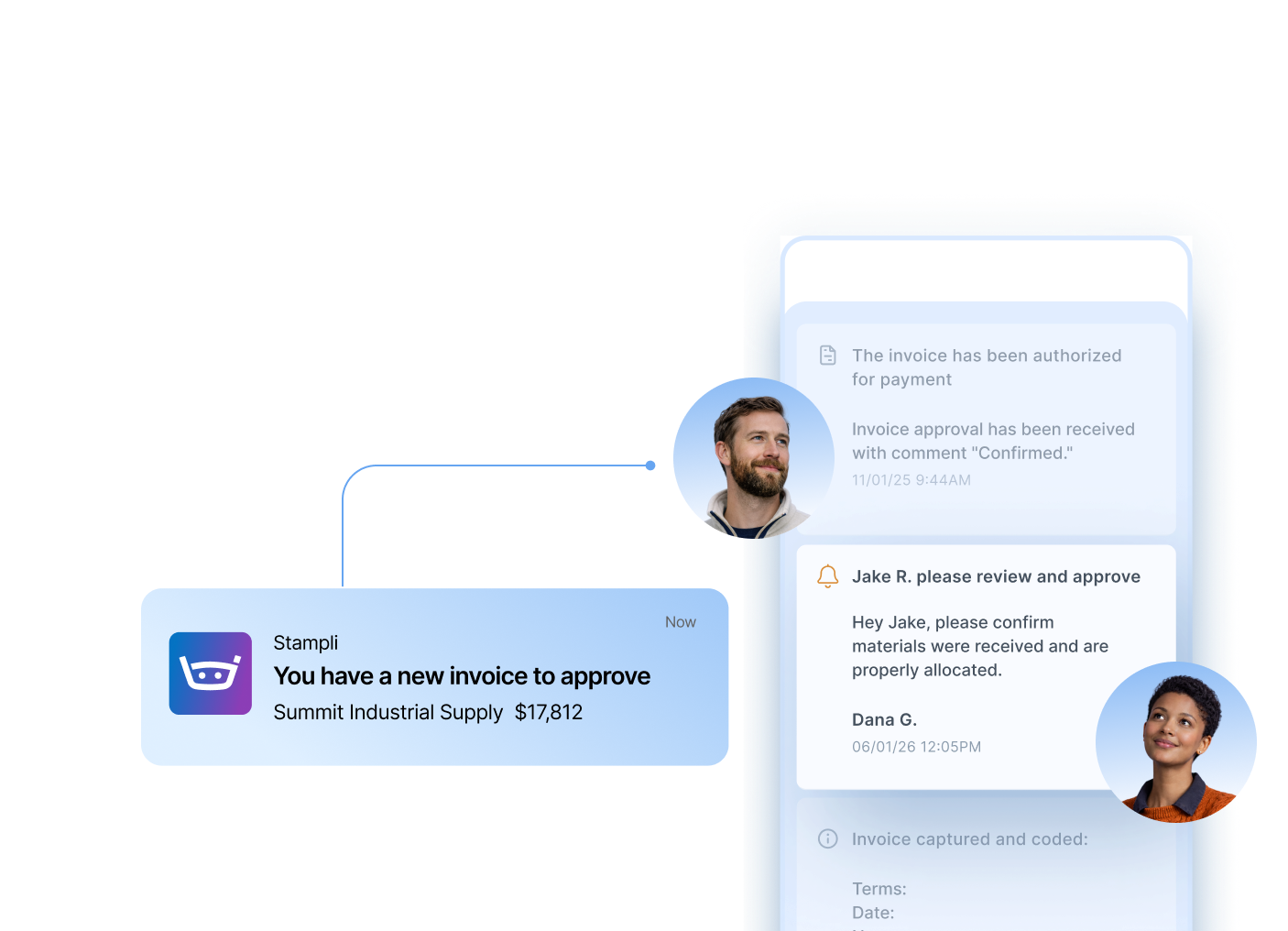
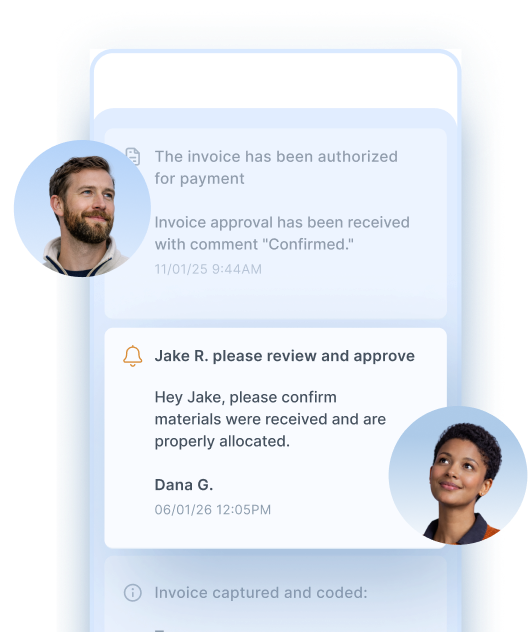
Yes. They see the invoice, the PO, the receipt, and the open question on their phone, and they can approve, reject, or reassign without coming back to the trailer.
The question is asked on the invoice itself and routed to the PM, purchasing, or the vendor, and the answer stays with the transaction for anyone who looks later.
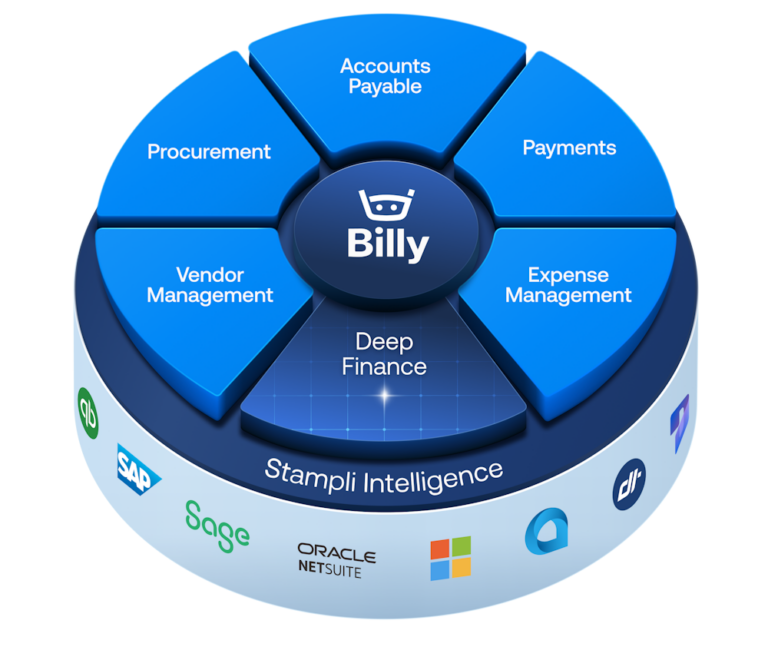
Stampli connects to supported construction ERPs and keeps them as the system of record, so the job cost record and the books stay aligned without double entry.
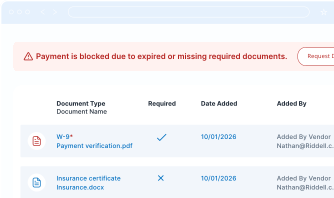
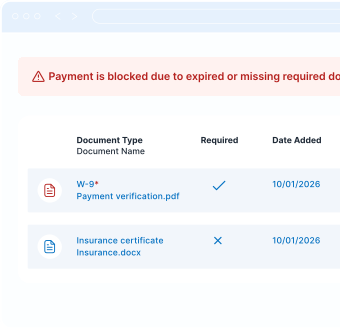
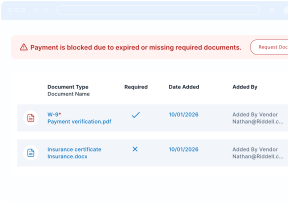
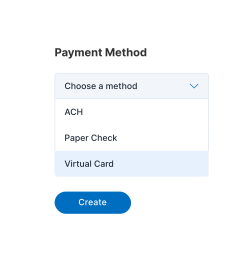
Vendor records hold required documents with expiration dates and reminders, and payments can be held until the required documents are current.