


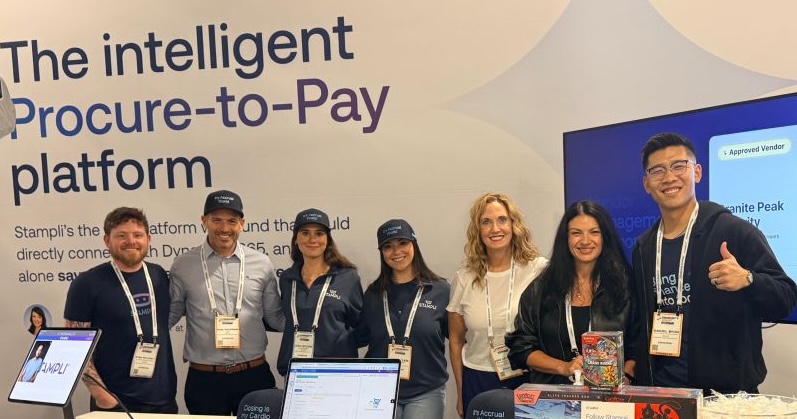
On my way home from Nashville last week, after my first tradeshow with Stampli, it felt appropriate to borrow a little wisdom from Shania Twain: “That Don’t Impress Me Much.”
AI was everywhere at this Microsoft Communities user conference. But in AP automation and procure to pay, the question isn’t whether your software can hold a conversation. It’s whether it can stop the same invoice from getting stuck in the same approval queue for the same reasons.
An AI assistant that tells me an invoice is stuck is interesting. A process that stops it getting stuck is valuable.
That’s the test I’d apply to the AI promises coming out of this conference. If the same missing purchase orders, matching exceptions, and approval bottlenecks remain underneath, have we transformed procure to pay—or just given the old process a more articulate spokesperson?
For me, the real measure is what happens after the demo. When an invoice arrives with a discrepancy. When someone needs to determine how to code it. When a vendor changes payment details. Does AI reduce the work, or simply give the team another place to ask questions about it?
That’s where Billy, Stampli’s embedded AI, makes this conversation more concrete.
Billy works with the context surrounding a transaction: its documents, history, ERP structure, coding patterns, and configured approval rules. He prepares routine work, explains what he did, and sends exceptions to the people responsible for reviewing them.
In practice, that means preparing invoice coding, comparing invoices with purchase orders and receipts, surfacing discrepancies, and routing work according to approval rules. Billy also checks payment information against vendor records and history, flagging changes for review. Reviewed corrections help inform future suggestions.
The team still controls approvals, exception resolution, ERP posting, and payment release. The available capabilities depend on the Stampli products and workflows in use. See how Billy works.
Think about what that means for the person reviewing an invoice. The useful outcome is having the preparation done and the discrepancy brought forward with context, so they can spend their time resolving it.
Of course, no AI can make a missing receipt materialize or make a difficult purchasing decision for your business. But it should reduce the detective work required to understand what happened and what needs attention.
And processing the transaction is only part of the opportunity. Finance leaders also need to understand what those transactions reveal.
That’s where Stampli Deep Finance comes in. Billy helps prepare and move the work through the workflow; Deep Finance analyzes the finance, invoice, and AP workflow data already inside Stampli.
A finance leader can ask about spending changes, vendor concentration, payment timing, or missed discounts. Deep Finance gathers relevant data, examines patterns and relationships, and returns an analysis for review and follow-up. The question starts the work; the value comes from the findings it produces. Human judgment remains central. Explore Stampli Deep Finance.
That gives me two practical tests for AI for finance: does it reduce the effort required to do the work, and does it help us make better decisions about the business?
Those are questions worth taking back from any conference. Ask vendors to show you an exception, the information available to resolve it, and the work your team still has to do. Then ask how you’ll know whether the process is improving.
I came home from Nashville excited about what AI can do—and more interested than ever in seeing the proof.
Show me less chasing. Less rework. Better decisions.
Now that would impress me.