




Stampli Deep Finance™
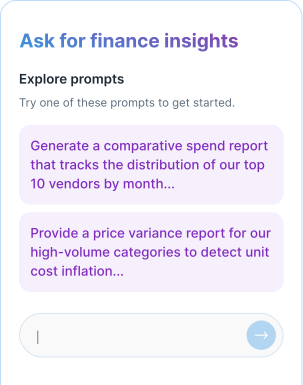
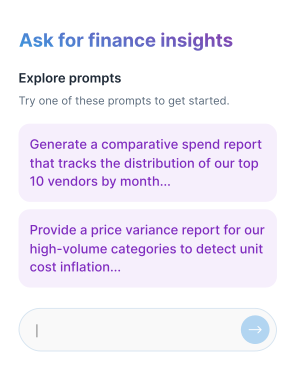
Ask the finance questions that matter
How Deep Finance builds each analysis
Starts with the finance question
Deep Finance builds a new analytical path for the question instead of forcing it into a predefined report.
Connects the operational context
It brings together relevant invoice lines, coding, approvals, vendor records, payments, workflow history, and supporting documents already inside Stampli.
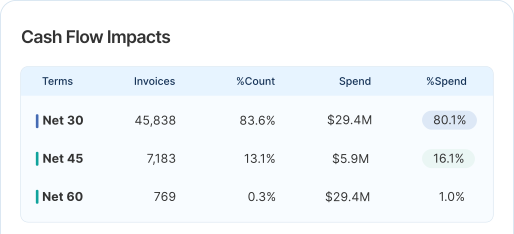
Investigates what the work may be revealing
Keeps the evidence connected
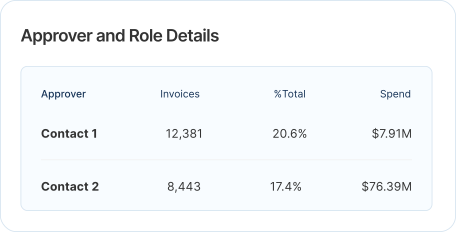
Findings stay tied to supporting evidence so finance can examine the basis of the analysis.
Leaves the decision with finance teams
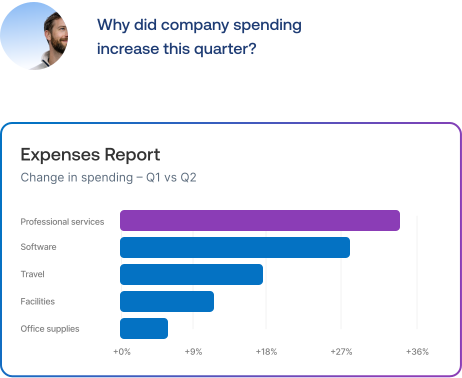
Watch Deep Finance investigate a question
See how it connects relevant context and organizes the findings for review.
Investigate what the numbers alone can’t explain
Investigate questions your reporting backlog cannot prioritize
Understand what changed and why it matters
Bring evidence into the decision
“One of the biggest benefits is that Deep Finance surfaces meaningful AP insights from the background of day-to-day work. Instead of waiting for an issue to become visible, we can proactively find things like duplicate invoices, low-value vendor fragmentation, and processing inefficiencies.”
From questions to informed decisions
Before
Manual work at every step
- The available report determines which questions can be answered.
- ERP totals arrive without the workflow activity behind them.
- New questions create data requests, exports, and spreadsheet work.
- Finance receives charts and still has to reconstruct the story.
After
With Deep Finance
- The finance question determines the analysis.
- Relevant invoices, approvals, vendors, payments, and documents provide the operational context.
- Deep Finance builds a focused analysis for the question at hand.
- Finance receives findings and supporting evidence to review, validate, and use in follow-up.
FAQs FAQs
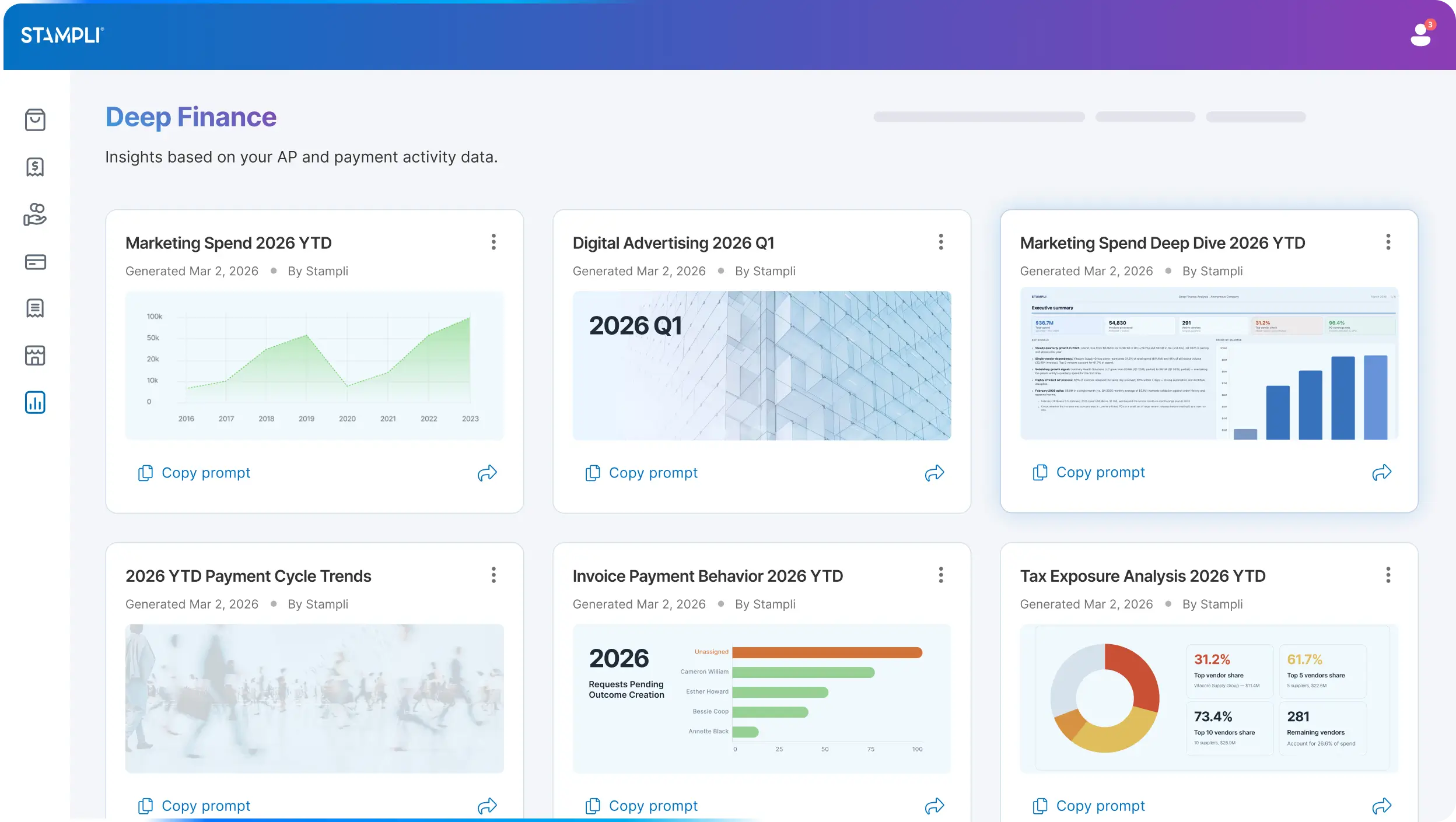
Stampli Deep Finance™ turns finance, invoice, and AP workflow data already inside Stampli into executive spend intelligence. It performs the analysis behind a finance question and organizes the result into a focused Deep Finance Analysis built for review, discussion, and follow-up.
Deep Finance starts with the finance question, determines which connected data and documents are relevant, and builds an analytical path for that question. It then organizes the findings and supporting evidence into a reviewable result.
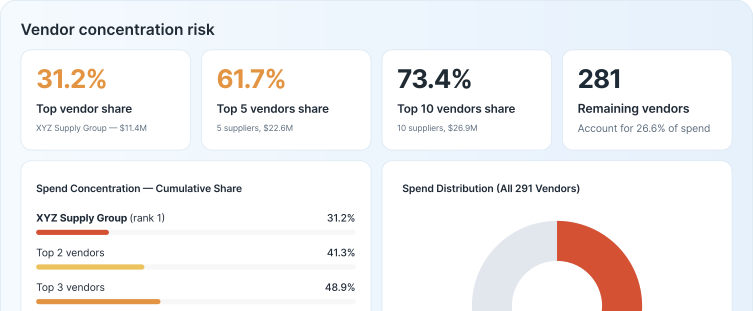
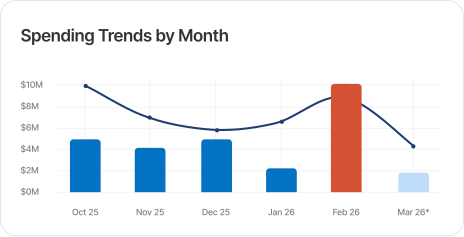
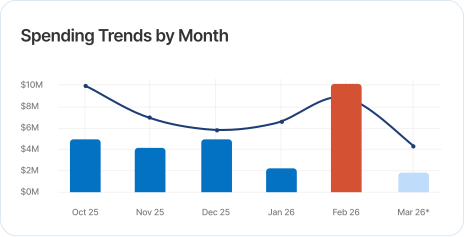
Deep Finance can help finance teams investigate spending trends, vendor concentration or fragmentation, payment timing, potential savings opportunities, duplicate invoices, approval bottlenecks, and process inefficiencies. The strongest questions are specific, financially meaningful, and connected to a decision or follow-up.
Deep Finance can use relevant finance and AP workflow data already inside Stampli, including invoice lines, coding, approvals, vendor records, payments, workflow history, and supporting documents. Available context depends on the Stampli products and data connected for the customer.
Prebuilt reporting begins with a fixed data model and a predefined view. Deep Finance begins with the finance question and builds a focused analysis from the relevant context already inside Stampli.
Finance teams should review material findings against supporting evidence, source transactions, and existing financial records, then involve the appropriate stakeholders before acting. Deep Finance supports judgment; it does not replace it.
The ERP remains the system of record. Deep Finance works within customer-specific data boundaries and existing permissions inside Stampli, and finance retains control over how findings are reviewed and used.
Turn the questions you stopped asking into spend intelligence
Get a demo


