



Finance professional reviewing documents in an office

Procure-to-Pay Platform

Put intelligence to work across Procure-to-Pay

Connect requests, invoices, expenses, and payments in one system that learns from the work and takes on more of it.

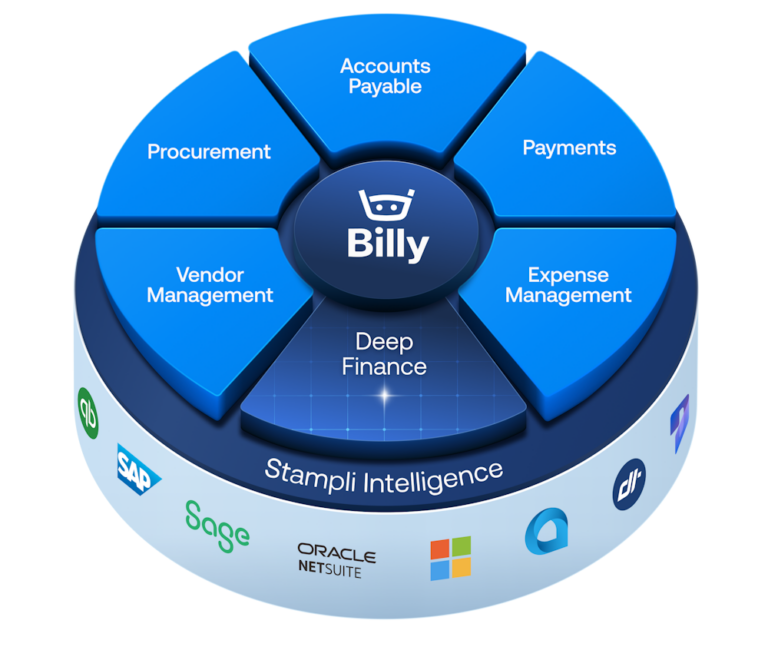
Five products. One process that knows what happened.
Meet Stampli Intelligence

Stampli Intelligence learns from work across the platform. Billy uses that context to apply the right skills at each step while Deep Finance turns Procure-to-Pay activity into answers.

Billy

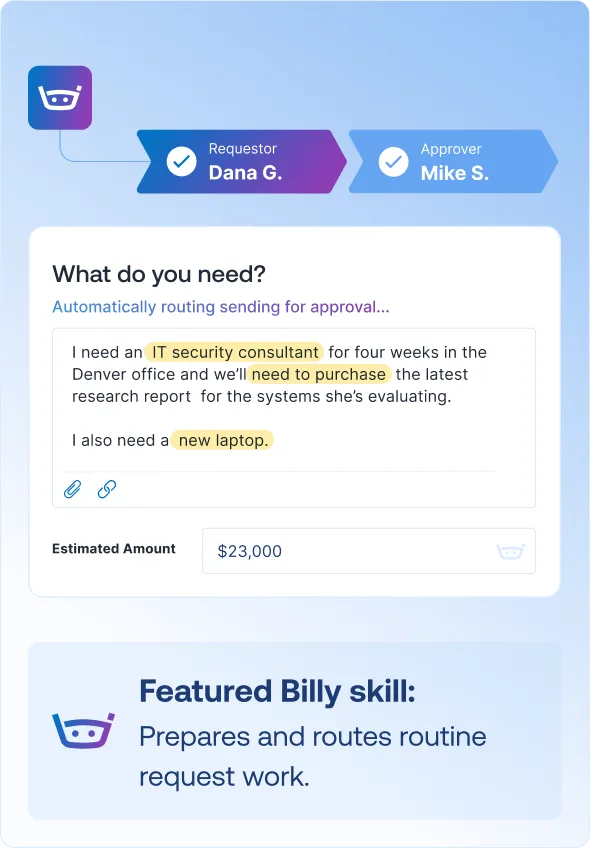
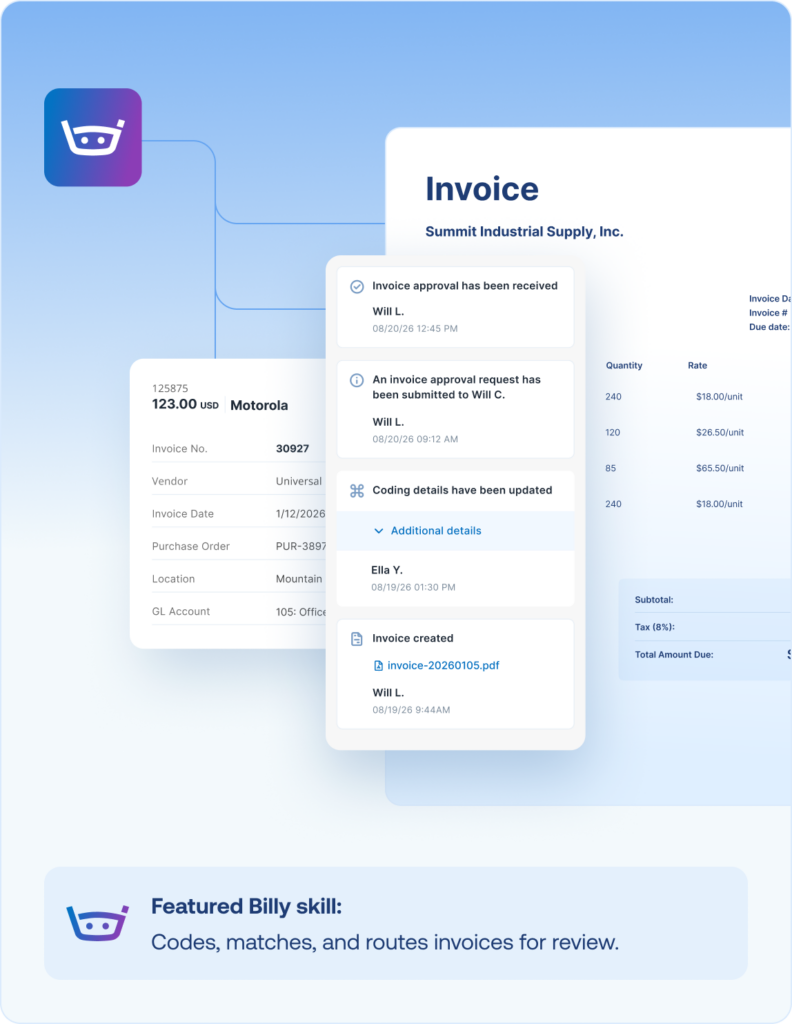
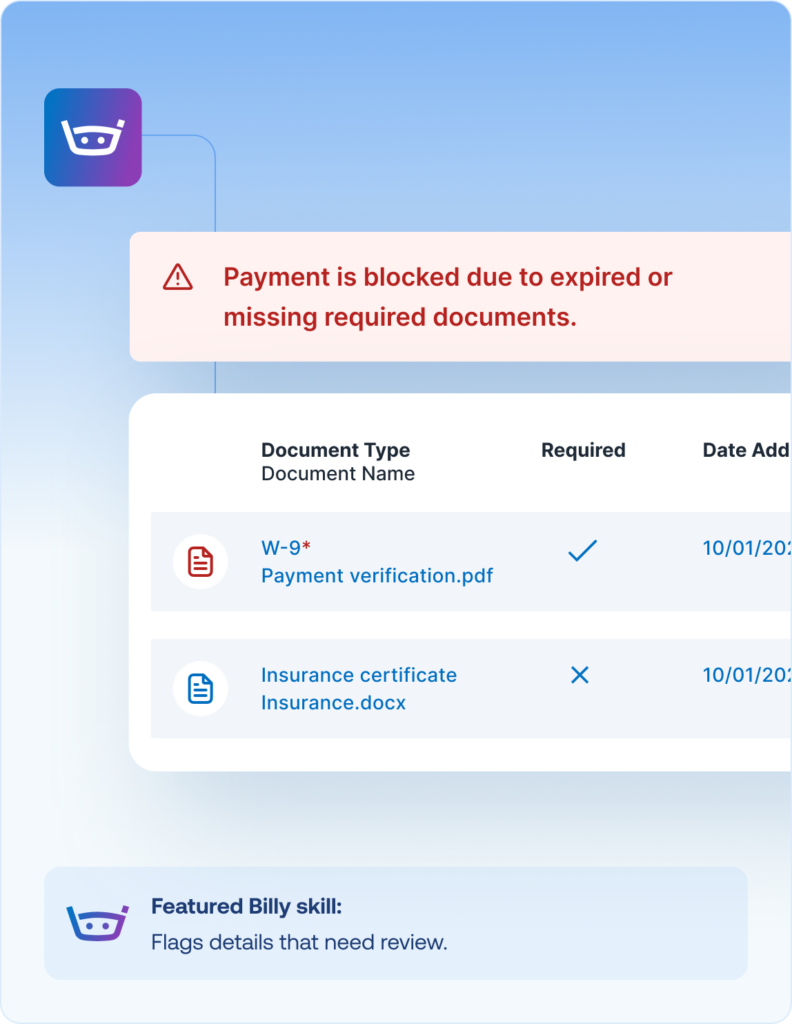
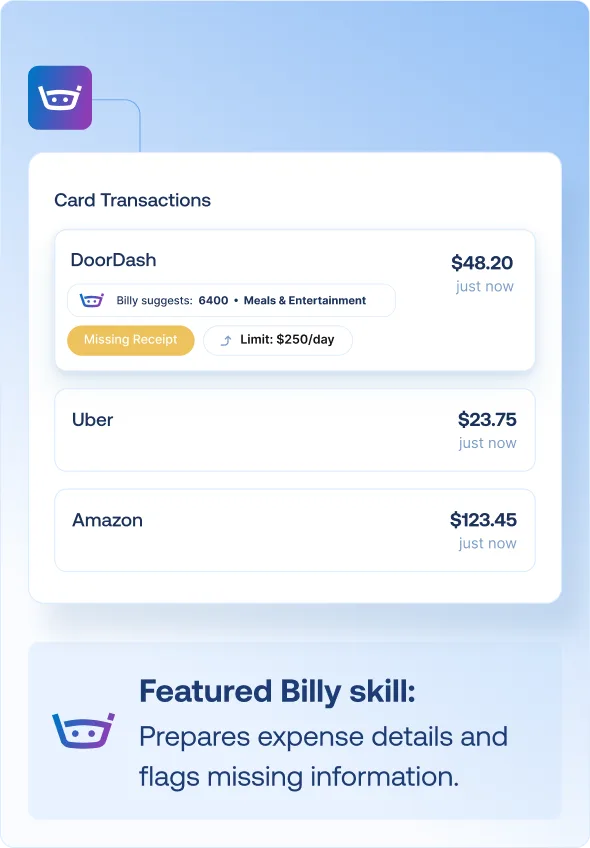
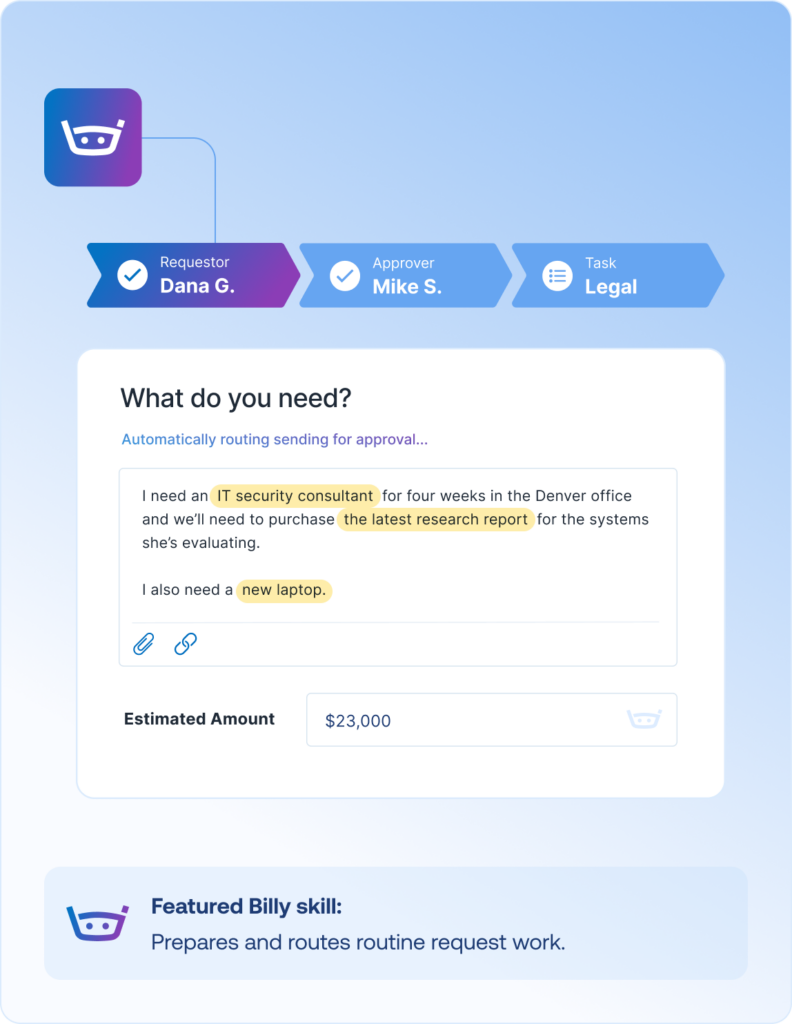
Applies the right skills

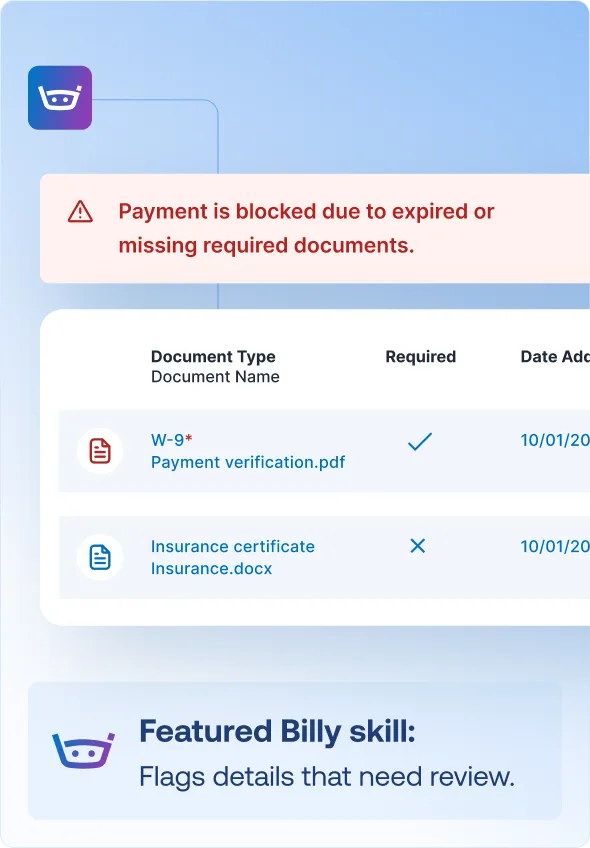
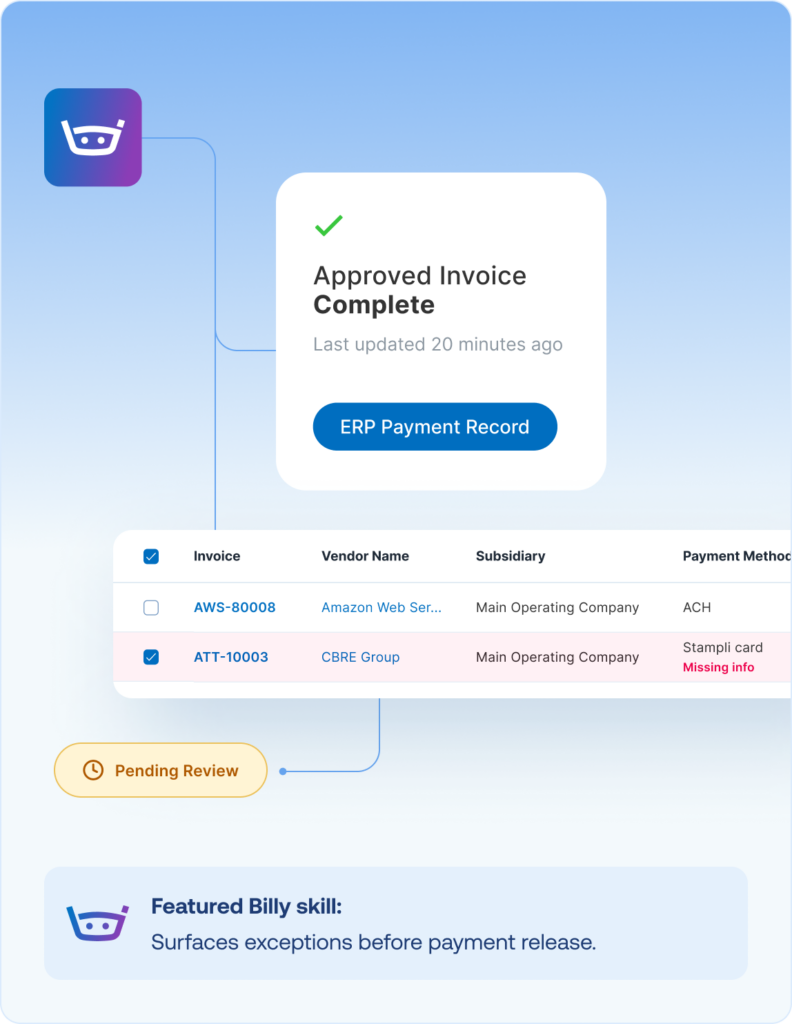
Prepares repeatable work, explains what was done, and routes exceptions for review.

Billy

Deep Finance

Investigates the work

Follows questions through connected data and source documents to return findings, potential impact, and recommendations.

Deep Finance

Connected. Intelligent. Trusted.
In that order.

Carry context forward

Keep requests, vendors, invoices, approvals, expenses, payments, and ERP data connected as work moves.

Take on more of the work

Use the context in your process to prepare routine work and surface exceptions.

Keep finance in control

Retain judgement and approval while documents, decisions, and audit history stay attached.

A complex business deserves better than a process held together by email and optimism.

Before Stampli

Finance rebuilds the context at every handoff

  • Requests start in email or chat. Finance joins when the invoice arrives
  • Vendor records, documents, and conversations live in different places
  • AP reconstructs the approval, coding, and exception history
  • Payment starts another workflow
  • Cards and reimbursements reach finance at month-end

With Stampli

Stampli carries the work forward

  • Capture budget, policy, and approval before spend is committed
  • Keep vendor information and documents connected through payment
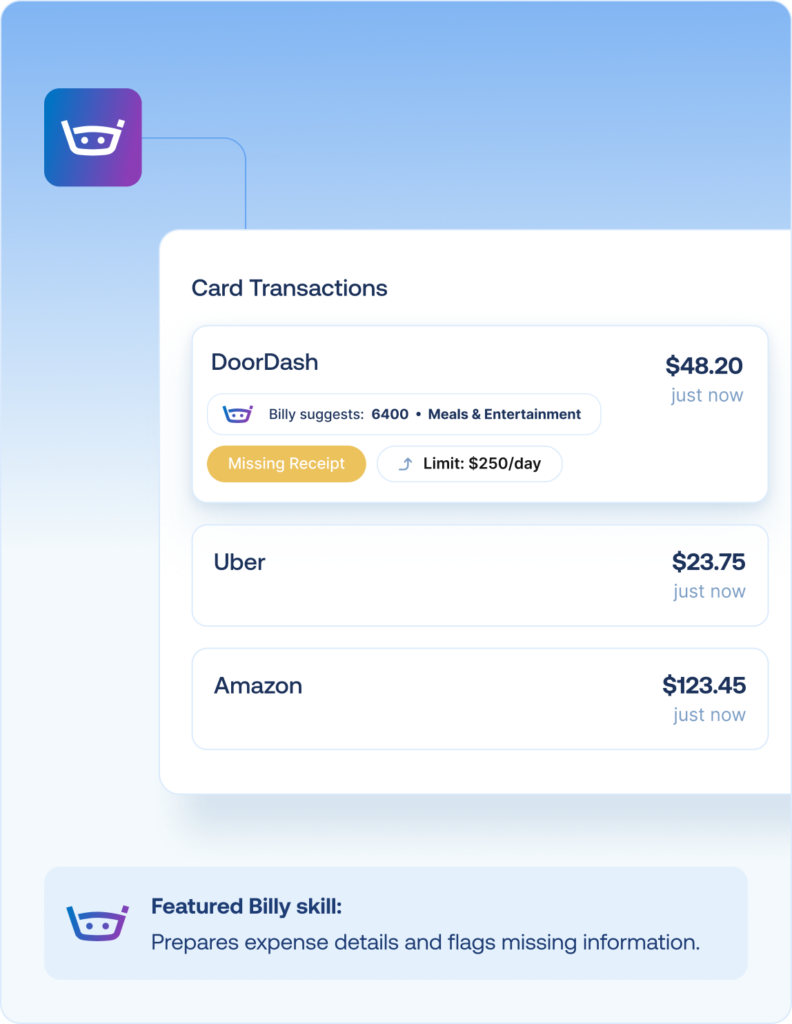
  • Let Billy prepare routine work and surface exceptions for review
  • Move approved invoices into payment with their accounting context intact
  • Bring receipts, coding, and approvals together before close

Put your entire P2P process to work

FAQ

Procure-to-Pay software connects the workflow from an employee’s request through purchasing, invoice processing, and vendor payment. A complete platform can also connect vendor readiness, expense workflows, approvals, ERP validation, reconciliation context, and audit history across that lifecycle.

The platform includes Procurement, Accounts Payable, Vendor Management, Expense Management, and Payments. Each product supports a distinct workflow, while the platform carries relevant data, approvals, and controls between them.

Accounts payable automation focuses on invoice capture, coding, matching, approvals, exceptions, and the work required before ERP posting and payment. Procure-to-pay is broader because it also covers work before the invoice, such as requests and vendor onboarding, plus expense and payment workflows after approval.

Yes. Organizations can begin with the products that address their current priorities and add others as their processes evolve. The platform keeps ERP alignment, workflow context, and controls consistent as the deployment expands.

The ERP remains the system of record. Stampli uses ERP structure and validation rules inside the workflow so requests, invoices, vendors, expenses, and payments can be reviewed with the right accounting context before approved information is synchronized or posted.

Stampli AI is embedded where finance work happens. It can help structure data, suggest coding or routing, support matching, and surface exceptions, while people retain responsibility for review, approvals, and payment-release decisions.

Stampli keeps approval ownership, documents, communication, coding context, status changes, and other workflow events connected to the transaction. Role-based access, configurable approvals, separation of duties where required, and traceable history help finance apply and demonstrate controls.

Stampli can support centralized, decentralized, and hybrid teams with configurable routing, roles, fields, and approval paths. The implementation can mirror the organization’s entities, policies, and ERP configuration instead of forcing every team into one rigid workflow.